The International Explorer’s Handbook

Expertly plan your journey with Abaq Al Luban Tours: essential tips, cultural insights and professional guidance for exploring Oman.

Your Journey Essentials

We handle the technical details so you can focus on the beauty of the Sultanate.

Technical Transport

Premium 4x4 Fleet

Documentation

Permits and Logistics

Safety Equipment

Advanced Recovery Gear

Have Additional Questions?

Reach out to us anytime we’d love to hear from you.

Call Us

+968 9291 1012

Mail Us

info@abaqallubantours.com

Our Story & Travel Mission

To be Oman’s most celebrated travel partner, delivering gold-standard tourism excellence and inspiring every traveler with the Sultanate’s extraordinary beauty.

Follow Us

Traveler Essentials

Welcome to the Traveler Essentials portal. This page is meticulously curated to provide international explorers with the technical knowledge and cultural insights required for a seamless Omani expedition. From the logistics of desert navigation to the nuances of traditional etiquette, we ensure you are prepared for every mile of your journey.

Purpose Statement

The purpose of this guide is to empower international travelers with verified, high-utility information that bridges the gap between planning and reality. We are committed to transparency and excellence; we provide these insights to ensure that your exploration of Oman’s diverse landscapes from the misty peaks of the south to the golden sands of the interior is conducted with respect, safety, and sophisticated preparation.

Photo Gallery

1. Atmospheric Mastery: The Omani Weather

Oman’s geography creates distinct microclimates. Understanding these ensures your comfort across different terrains:

  • The Winter Window (October – April): This is the “Platinum Season.” Expect clear blue skies and pleasant temperatures ranging from 17°C to 30°C. It is the peak time for desert trekking and coastal exploration.
  • The Khareef Miracle (June – September): While the rest of the peninsula faces intense heat, Salalah in the south transforms into a misty, green paradise with temperatures dropping to a refreshing 20°C–25°C.

Mountain Altitudes: Locations like Jebel Akhdar and Jebel Shams are consistently 10°C–15°C cooler than the valleys. Even in summer, a light jacket is an essential element for mountain nights.
2. Culinary Excellence: Food & Dining

Omani cuisine is a sophisticated blend of Arabian, Indian, and African influences, reflecting its history as a maritime hub:

  • The Signature “Shuwa”: The pinnacle of Omani hospitality. This marinated lamb is slow-cooked in an underground oven for up to 48 hours, resulting in a melt-in-the-mouth texture.
  • Coastal Bounty: With a vast coastline, fresh Kingfish, Hammour, and Omani Lobster are staples. We recommend trying the locally caught seafood in Sur or Muscat.

Traditional Kahwa: Omani coffee, infused with cardamom and rosewater, is the universal gesture of welcome. It is traditionally served with fresh, high-quality dates to balance the bitterness.

3. The Art of Modesty: Dress Code

Respecting local traditions is the key to a deeper cultural connection. We recommend a “Modest-Chic” approach:

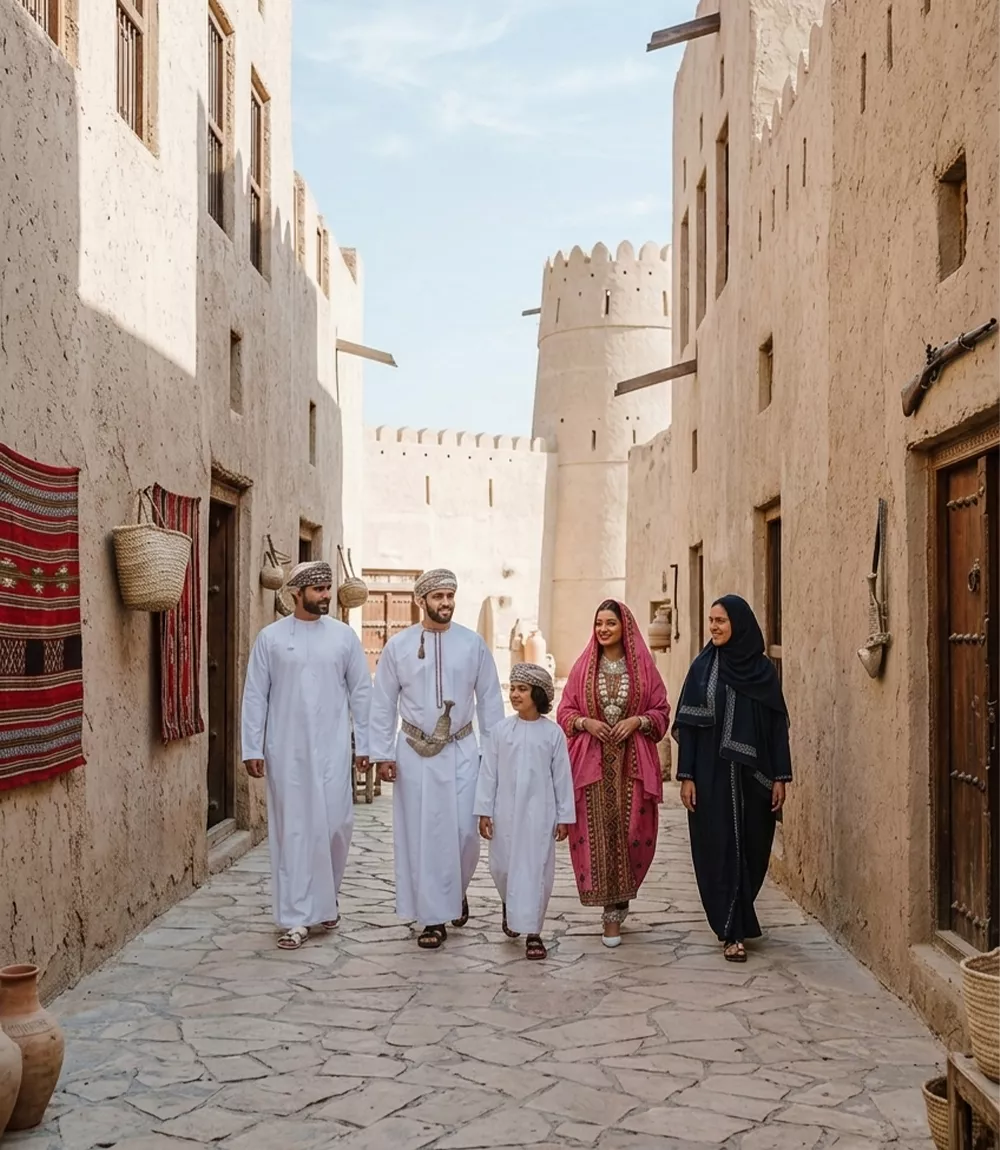
  • In Public Spaces: Shoulders and knees should remain covered for both men and women. Breathable fabrics like linen or cotton are ideal for the climate.
  • Sacred Sites: When visiting the Grand Mosque, women must wear ankle-length clothing with long sleeves and a headscarf. Men should wear long trousers and avoid sleeveless shirts.
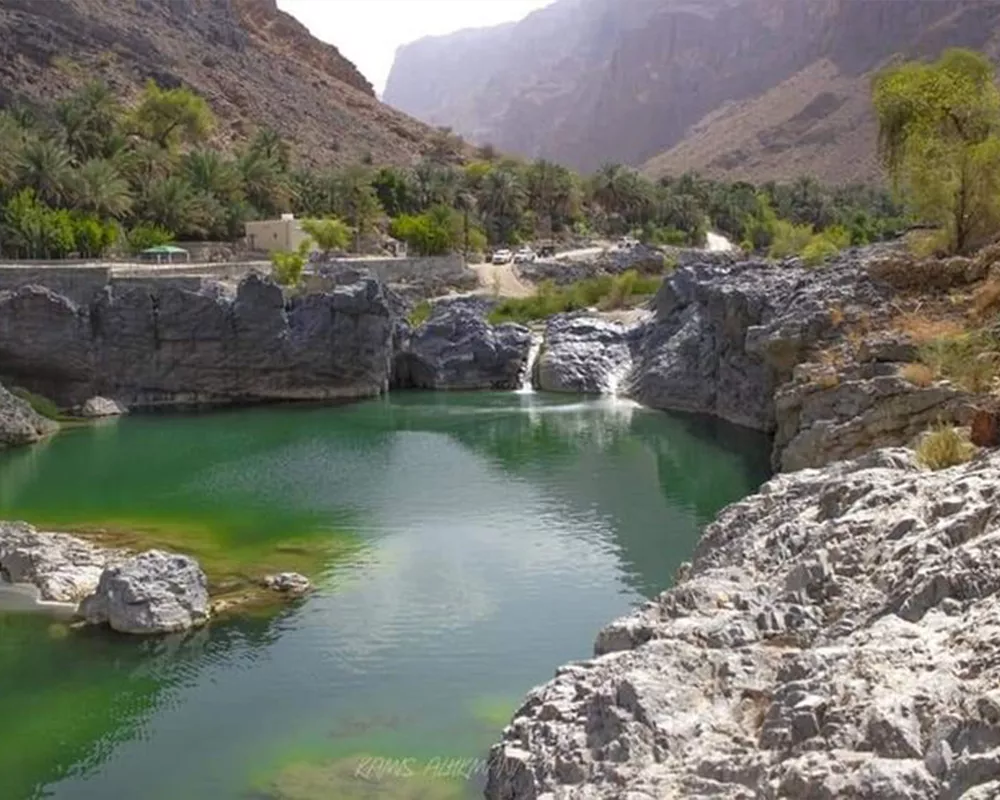
  • Adventure Wear: Standard swimwear is perfect for resort pools. However, in public Wadis, we recommend wearing a t-shirt and swim shorts over your swimwear to respect local sensibilities.

4. Technical Driving Protocols & Traffic Rules

Oman offers world-class road infrastructure, but specific rules are vital for safety and legal compliance:

  • The 4×4 Mandate: Access to certain mountain regions (like Jebel Akhdar) and all desert dunes is strictly restricted to 4×4 vehicles. Police checkpoints often verify vehicle types for your safety.
  • Strict Traffic Laws: Oman follows right-hand traffic. Speed limits are strictly monitored by radar cameras (typically 120 km/h on highways and 60–80 km/h in urban areas).
  • Zero Tolerance: Oman enforces a strict 0.0% alcohol limit for all drivers. Penalties are severe and non-negotiable. Using a mobile phone without a hands-free device is also strictly prohibited.

Road Hazards: Be alert for wandering livestock (camels and goats), especially on rural and desert roads at dusk.

5. Social Conduct & Safety Tips

Oman is one of the safest destinations in the world, characterized by the legendary warmth of its people.
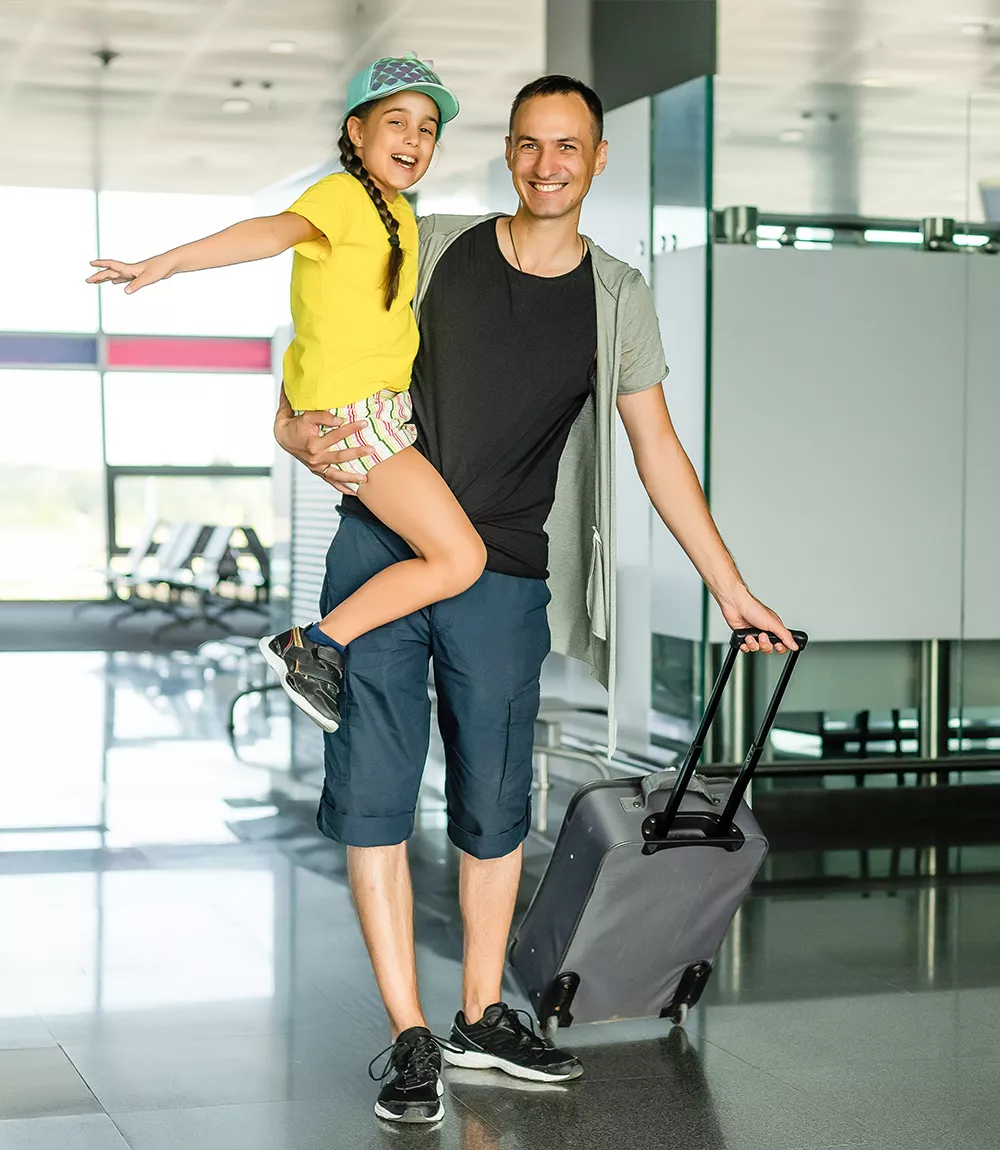
  • Engaging with Locals: Omani people are exceptionally polite. When greeting, a simple “Salam Alaikum” (Peace be upon you) is highly appreciated. Avoid aggressive gestures or loud public displays of emotion.
  • Photography Etiquette: Always ask for permission before taking photographs of people. It is strictly forbidden to photograph military installations, government buildings, or palaces.
  • Public Decency: Public displays of affection (PDA) are discouraged and can be considered offensive. Maintaining a respectful distance in public spaces is the local norm.
  • Emergency Assistance: In the rare event of an emergency, the universal number for Police, Fire, or Ambulance is 9999.

6. Family Expedition: Traveling with Kids

Oman is an exceptionally family-oriented culture, making it a safe and magical playground for children.

  • Adventure for All Ages: Younger children will love the “giant sandbox” experience of the desert and the turtle hatchlings at coastal reserves.
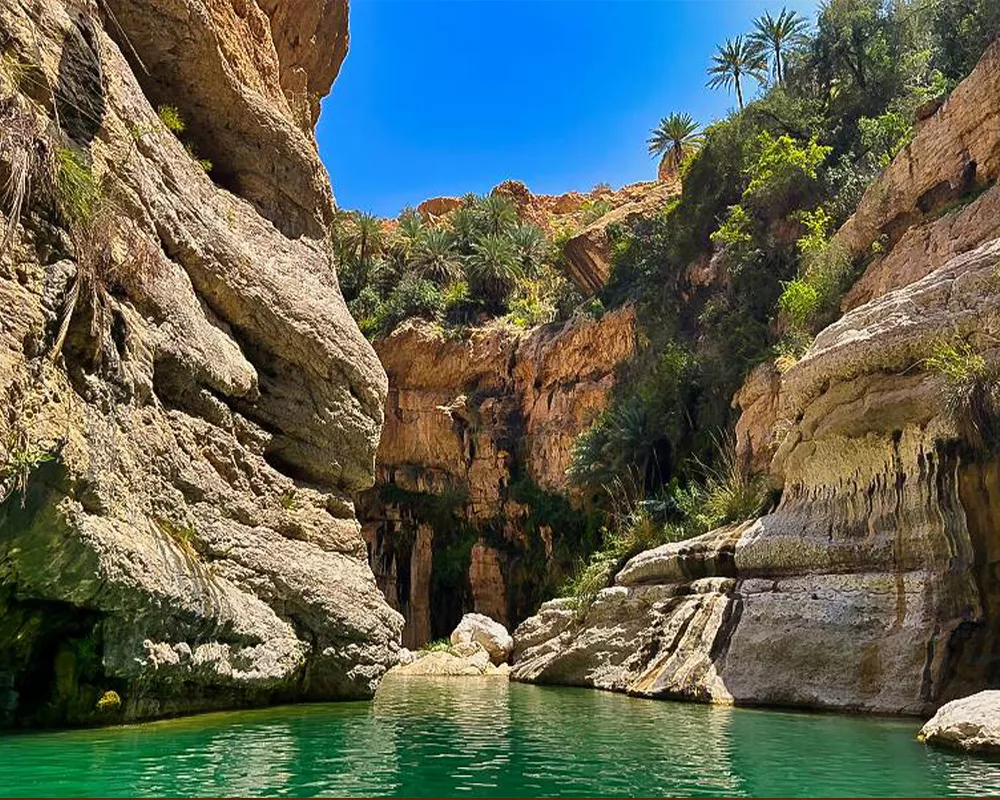
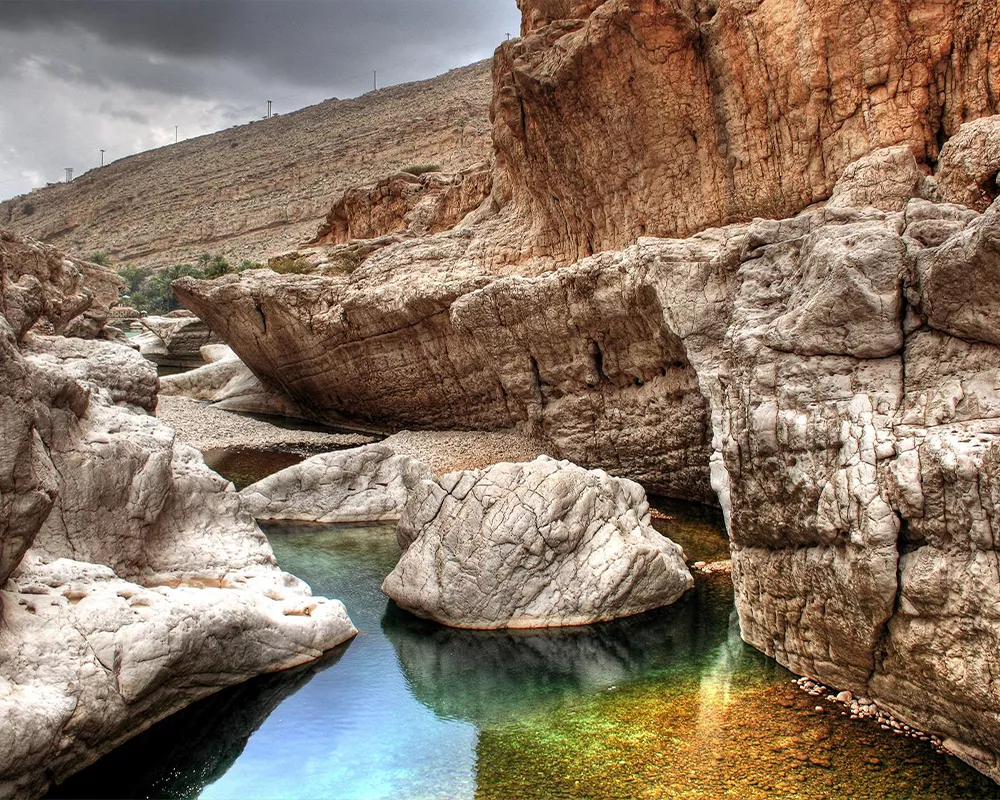
  • Natural Waterparks: Skip the artificial slides for the natural pools of the Wadis. These turquoise waters are generally calm and shallow at the edges, perfect for a family swim.
  • Dining for Little Explorers: Most restaurants are very accommodating to children. Freshly baked Omani bread and local honey are universal favorites for picky eaters.

7. Essential Documents to Carry

To ensure you are always prepared for checkpoints or official inquiries, keep these documents (or digital copies) accessible:

  • Passport & Visa: Your original passport (valid for 6 months) and a copy of your e-Visa.
  • Driving Credentials: Your national driving license and an International Driving Permit (IDP).
  • Insurance Proof: A hard copy of your travel health insurance, which is a mandatory requirement for entry.

Rental Documents: If driving, keep the vehicle registration and rental agreement in the vehicle at all times.